Aviation Switching Module – NSN 4920-01-250-2696 (AS-IS / Untested): Military Aviation Electrical Module
Aviation Switching Module – NSN 4920-01-250-2696 (AS-IS / Untested): Military Aviation Electrical Module
Blog Article
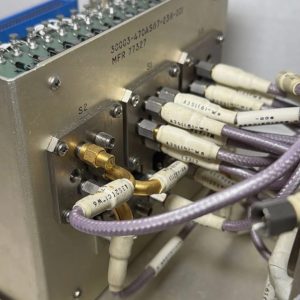
The Aviation Switching Module – NSN 4920-01-250-2696 (AS-IS / Untested) should be purchased with the understanding that no operational, calibration, serviceability, compatibility, or installation guarantee is being made.
The Aircraft Switching Module offers potential maintenance or check here restoration value, while the Aerospace Switching Module must be inspected for condition, completeness, modification, and storage-related deterioration.
Whether buyers search for an Aircraft Electrical Switching Module, Aviation Electrical Control Module, Aircraft Power Switching Module, Aerospace Electrical Control Unit, or Aircraft Signal Switching Module, technical identification should guide the purchase.
An Aircraft Switching Unit can support specialized signal or circuit management, but an Aerospace Power Distribution Module or Aviation Power Control Module may use different internal architecture and electrical requirements.
Key Details of the Untested Switching Module
Accurate NSN verification helps reduce purchasing errors and prevents an unrelated module from being represented as compatible equipment.
Unknown markings should be photographed and recorded rather than interpreted without support.
Untested Switching Module Condition
Internal faults, missing components, damaged wiring, corrosion, previous modification, storage deterioration, or electrical failure may be present even when the exterior appears clean.
Improper voltage, polarity, grounding, current, signal input, or connector pin assignment can damage the module and connected equipment.
Aviation Switching Hardware Uses
Application accuracy protects buyers from assuming that a broadly named Aircraft Switching Module will fit their project.
Each visible feature should be photographed and described without assuming its electrical purpose.
Aerospace Enclosure and Connector Condition
Careful exterior evaluation can reveal evidence of previous use or damage before the unit is opened.
Connectors should be examined for bent pins, pushed-back contacts, corrosion, contamination, cracked inserts, damaged threads, broken keyways, missing caps, and impact marks.
Aircraft Electrical Switching Module Inspection
A burnt odor, melted material, soot, or arcing marks should be disclosed clearly.
The module should not be modified simply to produce a temporary power-on result.
Choosing an Aviation Electrical Control Module
Professional research should occur before any attempt to connect the Aviation Electrical Control Module.
Missing labels or faded markings can make operation difficult and may increase the risk of improper testing.
Evaluating Aerospace Power Hardware
A switch that moves normally may still contain burned, corroded, welded, or high-resistance electrical contacts.
A module with unknown electrical condition should remain clearly labeled as untested until formal evaluation occurs.
Aviation Control Unit Inspection
An Aerospace Electrical Control Unit may combine switching, control, indication, interface, or distribution functions within one enclosed assembly.
Detailed records support the long-term value of the Aerospace Electrical Control Unit.
Maintaining Aircraft Interface Hardware
The pinout and signal type should be confirmed before continuity or injection testing.
Original cable assemblies may add significant value when included.
Aviation Module System Integration
Buyers should determine whether they need a direct replacement, restoration item, training aid, or parts source.
Accurate configuration review reduces the risk of an unsuitable Aviation Control Module acquisition.
Commercial Value of an Untested Switching Unit
Detailed condition reporting supports fair commercial evaluation.
Technical schools may use a de-energized module to demonstrate connector inspection, switch construction, equipment identification, documentation research, or safe troubleshooting planning.
Aerospace Power Distribution Module Considerations
Professional evaluation helps determine whether the unit serves a power-distribution role or another specialized function.
Bent brackets, enlarged holes, missing fasteners, or distorted mounting surfaces may complicate restoration.
Maintaining Legacy Aviation Control Equipment
The inspection should distinguish cosmetic wear from damage that may affect electrical operation or mounting.
Functional evaluation should proceed in stages, beginning with research and non-powered inspection before controlled electrical testing.
Aviation Electrical Power Management
The seller should avoid presenting the module as compatible with commercial aircraft, helicopters, military aircraft, or UAVs without evidence.
Technicians should inspect for capacitors, transformers, relays, damaged insulation, or hazardous residues before opening or testing the unit.
Understanding an Aircraft Electronic Switching System
A single module removed from the system may not be testable through ordinary standalone methods.
A replacement AS-IS unit may provide useful comparative parts but should not be installed without evaluation.
Aerospace Switching Unit Storage and Handling
Proper storage helps preserve the Aerospace Switching Unit for testing, restoration, or collection.
Loose accessories should be wrapped separately and inventoried before packaging.
Choosing an Aircraft Electrical Module
A buyer seeking an operational replacement has different needs from a collector, technical school, parts dealer, or restoration specialist.
Images should show labels, switches, connectors, enclosure surfaces, mounting points, fasteners, seals, internal areas if opened professionally, and included accessories.
NSN 4920-01-250-2696 Buying Checklist
A pre-purchase review should confirm the NSN, manufacturer, part number, serial number, markings, enclosure condition, connectors, switches, included accessories, storage history, modification status, and known application.
- Confirm that the identification plate shows NSN 4920-01-250-2696 and record every manufacturer number, serial number, contract marking, revision, and modification label.
- Check for burned odors, melted material, arcing marks, water entry, chemical residue, and internal loose components where visible.
- Report shipping damage, missing accessories, identification differences, undisclosed repairs, or altered condition promptly.
Aerospace Module Troubleshooting Process
A methodical process reduces the risk of damaging rare aviation equipment.
Partial operation should not be presented as complete certification, calibration, or airworthiness.
Documenting Aviation Electronics Restoration
Original labels, wiring routes, fasteners, finishes, and component locations should be preserved whenever practical.
Accurate records support future maintenance and responsible resale.
Aviation Switching Module Conclusion
The Aviation Switching Module – NSN 4920-01-250-2696 (AS-IS / Untested) offers stronger commercial appeal when its markings, controls, connectors, enclosure, accessories, history, and limitations are documented accurately.
Careful technical and commercial evaluation can reduce equipment damage, incompatible purchases, missing-accessory costs, testing hazards, and restoration delays.
Whether the item is purchased for restoration, training, parts recovery, display, testing, inventory, or professional repair, transparent information and controlled handling provide the strongest foundation.
With complete evaluation and continued care, the Aviation Switching Module – NSN 4920-01-250-2696 (AS-IS / Untested) can deliver a professional combination of restoration potential, component value, technical interest, and aerospace-equipment relevance.
Report this page